
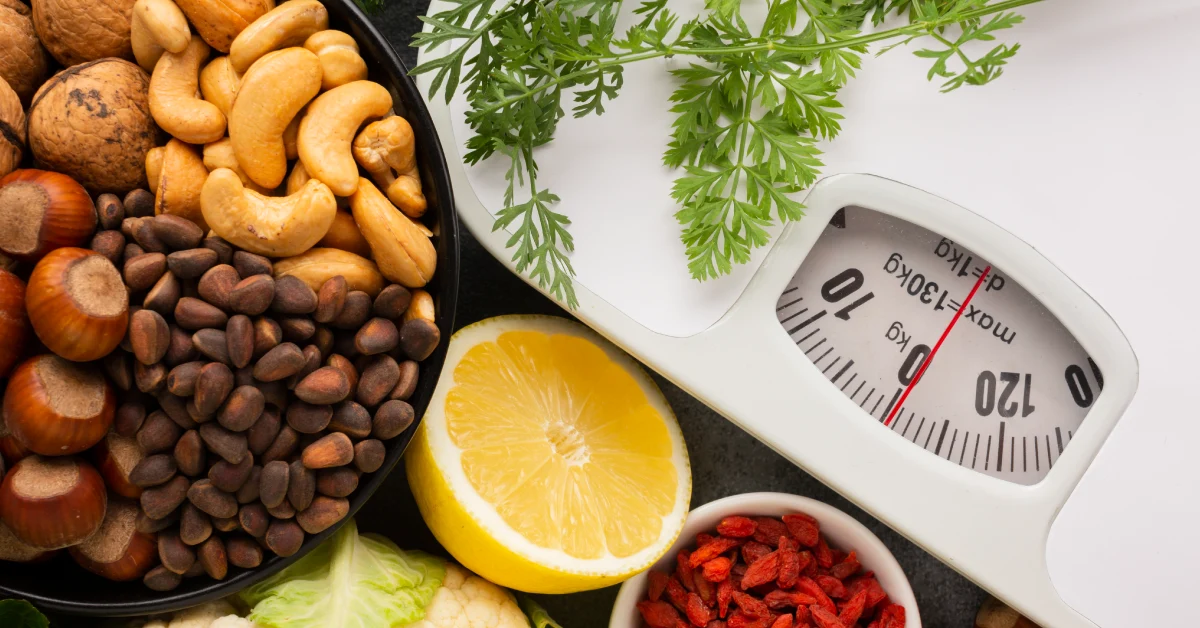
Being naturally thin often gets treated as a non-issue, or even something to envy — but for people who genuinely struggle to gain weight despite eating enough, it’s a real, frustrating problem. Ayurveda has a specific explanation for this pattern, and it’s less about eating more and more about why the body isn’t holding onto what it’s given.
In Ayurveda, chronic difficulty gaining weight is most often linked to a dominant or aggravated Vata dosha. Vata governs movement, including metabolism and the nervous system, and is characterized by qualities that are light, dry, mobile, and quick. People with Vata-dominant constitutions tend to naturally have a fast metabolism, a lean frame, and a body that processes food quickly — sometimes too quickly to fully absorb and use what it takes in.
This is a genuinely different explanation than “just eat more calories.” Ayurveda’s position is that being chronically underweight is often a sign of Dhatu Kshaya (tissue depletion) combined with erratic Agni (digestive fire) — meaning the issue isn’t a lack of food, but a lack of proper absorption and tissue-building from the food that is eaten.
This is the part that surprises most people trying to gain weight through diet alone: simply eating more, without addressing digestion, often doesn’t work — and can even backfire, leading to bloating or discomfort rather than weight gain. Ayurveda treats strong, steady digestion as the actual foundation for building healthy tissue (muscle, fat, and everything in between).
This mirrors a broader Ayurvedic principle that shows up across many conditions — the idea that digestive health underlies far more than just digestion itself, extending to energy, tissue health, and even organs like the liver. Whether the goal is losing weight, gaining weight, or supporting an organ like the liver, Ayurveda repeatedly returns to the same starting point: fix digestion first.
Beyond just being thin, Ayurveda points to a broader pattern often seen alongside Vata-driven underweight:
Recognizing this broader pattern matters, because it points Ayurveda toward addressing the underlying Vata imbalance as a whole, rather than treating “being thin” as an isolated issue to fix with food alone. It’s also worth noting that stress plays a direct role here — chronic stress and overthinking are both considered Vata-aggravating in Ayurveda, which means the mental and emotional side of a busy, anxious lifestyle can be just as disruptive to weight gain efforts as diet alone.
Ayurvedic approaches to healthy weight gain typically combine grounding, nourishing foods with specific herbs traditionally used to balance Vata and strengthen digestion:
This is the same principle behind formulations like Weight Gainer, which is built around supporting digestion and nutrient absorption first, rather than simply adding calorie-dense filler the way many commercial mass-gain products do.
Alongside diet and herbs, Ayurveda emphasizes a few consistent daily habits for anyone dealing with Vata-driven underweight:
Understanding Vata’s role becomes clearer when compared to the other constitutions. Pitta-dominant individuals typically have a medium build and tend to maintain weight fairly steadily with moderate effort, since their digestive fire runs strong but balanced. Kapha-dominant individuals, by contrast, tend to gain weight more easily and often need to work at keeping it off, due to a naturally slower metabolism.
Vata sits at the opposite end from Kapha — light, quick, and prone to burning through resources rather than storing them. This is part of why generic “eat more” advice so often fails for Vata-dominant people specifically: it doesn’t account for the fact that their digestion is already working overtime, often inconsistently, rather than sluggishly.
A few patterns show up repeatedly when people try to gain weight and don’t get the results they expect:
Avoiding these patterns tends to matter as much as anything actively added to the routine.
It’s important to be direct here: not every case of being thin is simply a Vata imbalance that diet and herbs can resolve. According to Cleveland Clinic’s overview of underweight health risks, being underweight can sometimes signal an underlying medical condition, a malabsorption disorder, or, in some cases, a mental health condition affecting eating patterns — and it carries real health risks of its own, including nutrient deficiencies and a weakened immune system.
If being underweight is a longstanding, unexplained pattern, or if it’s a sudden or unintentional change, it’s worth being evaluated by a healthcare provider rather than assuming it’s simply a dosha imbalance. Ayurvedic approaches can be a genuinely useful part of the picture, but they work best alongside proper medical evaluation, not as a substitute for it.
A realistic Ayurvedic approach to healthy weight gain looks like:
If you’re looking to build a routine around this approach, you can explore our full range of Ayurvedic remedies to find formulations designed to support steady, healthy nourishment rather than a quick fix.
Why do some people struggle to gain weight no matter how much they eat?
Ayurveda attributes this most often to a dominant Vata dosha, which is linked to fast metabolism and erratic digestion — meaning food isn’t fully absorbed and used to build tissue, even when intake is adequate.
Does eating more food actually help if digestion is the real issue?
Not necessarily on its own. Ayurveda emphasizes strengthening digestion first, since poorly absorbed food can lead to discomfort rather than healthy weight gain.
What foods does Ayurveda recommend for healthy weight gain?
Warm, grounding, and moderately oily foods — like cooked grains, root vegetables, nuts, dairy, and ghee, are generally favored over light, dry, or raw foods for Vata-dominant individuals.
Is it normal to have a fast metabolism and stay thin?
For some people, yes — a naturally light constitution is part of their individual makeup. That said, chronic underweight, especially if sudden or accompanied by other symptoms, is worth discussing with a healthcare provider.
How long does it take to see results with an Ayurvedic approach to weight gain?
Ayurveda generally expects gradual, sustainable change over weeks to months, with consistency in diet, herbs, and routine mattering more than speed.



Welcome Back 👋
Sign in to access your account and continue where you left off.
Welcome Jeet Ayurved🚀
Create your account to access everything you need.